
Interim Orders in Family Law: 6-Point Step‑by‑Step Guide

What Are Interim Orders in Family Law? Interim orders in family law are temporary court orders made to address immediate issues before a final decision is reached. They’re designed to protect the interests of everyone involved—especially children—until the court has enough time and evidence to make a final order. If you’re involved in a family […]
Is Verbal Abuse a Domestic Violence?

In Australia, the definition of domestic violence extends beyond physical harm to include a variety of behaviours, such as verbal and emotional abuse. Verbal abuse, a prevalent form of emotional abuse, involves using words to intimidate, control, or harm an individual, often leaving deep psychological scars. It’s crucial to understand that verbal abuse constitutes a […]
Can I Sue Someone for Emotional Abuse?

Yes, you can sue someone for domestic violence verbal abuse in Australia. Emotional abuse, often termed as emotional distress or psychological trauma, can be grounds for a lawsuit if you can demonstrate that the abuse has caused significant harm to your mental health and well-being. This type of lawsuit falls under personal injury law, where […]
Domestic Violence Order: 8-Point Comprehensive Guide

A Domestic Violence Order (DVO) is a legal protection issued by a court to safeguard individuals from domestic violence. It imposes specific conditions on the person who has committed the violence (the respondent) to prevent further abuse. These conditions may include no-contact orders, prohibitions on approaching the victim, and requirements to vacate the family home. […]
How To Beat an Intervention Order in Victoria

An Intervention Order is a Court Order made by a Magistrate in the Magistrates’ Court of Victoria against a person (the Respondent) who has committed family violence against a family member (the Aggrieved Family Member). An Intervention Order can be made on an interim basis, based only on evidence from the Aggrieved Family Member. The […]
Is Stalking an Indictable Offence?

Yes, stalking is an indictable offence in many jurisdictions, including Australia. It is a serious crime with significant legal consequences, including imprisonment. Stalking can be heard summarily, allowing it to be prosecuted in either the Magistrates’ Court or a higher court. The legal system treats stalking with high severity due to its potential impact on […]
Can Police Press Charges Without Victims Consent in Australia: 5-Point Comprehensive Guide

Can Police Press Charges Without Victims Consent in Australia? In Australia, the decision to press charges in a criminal case does not rely on the victim’s consent. Law enforcement authorities can pursue charges against a suspect if sufficient evidence supports a conviction, regardless of the victim’s wishes. This approach ensures that justice can be pursued […]
Assault Charges in Victoria You Need to Know

An assault charge is a serious legal matter that can have significant consequences for those involved. In the eyes of the law, assault refers to the intentional infliction of physical harm or the threat of such harm upon another person. This charge encompasses a wide range of behaviours, from physical attacks to verbal threats that […]
8 Helpful Ways to Prove Someone Assaulted You
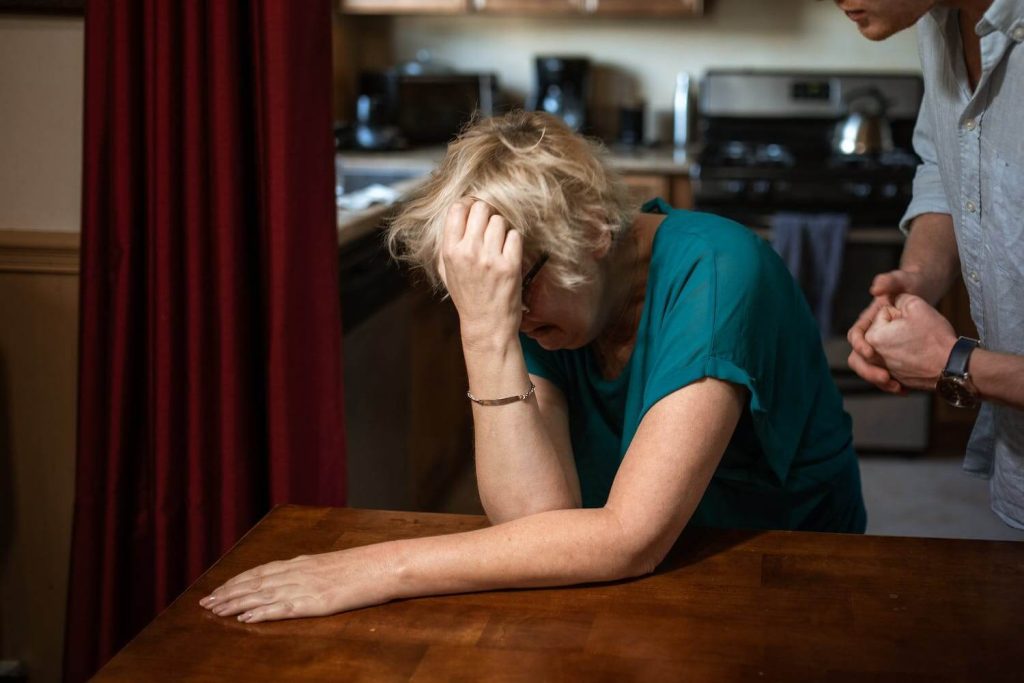
Proving assault is crucial yet challenging in the legal domain. It’s essential for ensuring justice and safeguarding victims’ rights. The complexity arises from the need to establish intent and harm amidst varied and subjective scenarios. Challenges include the reliability of witness accounts and the emotional impact on victims, which can complicate evidence collection. Compelling proof […]
Domestic Violence Penalties in Victoria

Domestic violence encompasses a range of behaviours, including physical, sexual, emotional, and financial abuse. The penalties vary based on the severity and specifics of each case: 🔑 Key Takeaway: Penalties for domestic violence in Australia vary significantly based on the nature of the offence and the harm caused, with severe cases leading to long-term imprisonment. Factors […]