
Is My Wife Entitled to Half My Limited Company?

When facing divorce, one of the most pressing questions for business owners is, “Is my wife entitled to half my limited company?” The straightforward answer is not necessarily. In Australia, the division of assets, including business interests, is based on a range of factors aimed at achieving a fair and equitable outcome for both parties. […]
Can a Separated Spouse Enter the Home?

Navigating the complexities of separation can be challenging, especially when it comes to understanding the rights and limitations regarding the marital home. A common question that arises is, “Can a separated spouse enter the home?” The short answer is that it depends on various factors, including legal orders and the property’s ownership status. Let’s delve […]
Out of Time Property Settlements

In the intricate world of family law, the concept of “out of time” property settlements emerges as a significant hurdle for individuals who have separated or divorced. In Australia, the law sets strict deadlines for applying for property settlements following the end of a relationship. However, with its unpredictability, life sometimes leads individuals to miss […]
Can a Gift Be Taken Back Legally

In the context of property settlement, the question of whether a gift can be taken back legally becomes pertinent when determining the division of assets and understanding each party’s entitlements. In essence, once a gift is given, it typically becomes the recipient’s property, making it challenging for the giver to reclaim it legally. However, there […]
Will a Family Trust Protect My Assets?

In asset protection and estate planning, family trusts often emerge as a beacon of hope for safeguarding one’s wealth. But the burning question remains: Will a family trust protect my assets? The short answer is yes. A family trust can offer a robust layer of protection for your assets. Still, it’s crucial to understand the […]
Who Keeps the Engagement Ring After a Divorce Australia
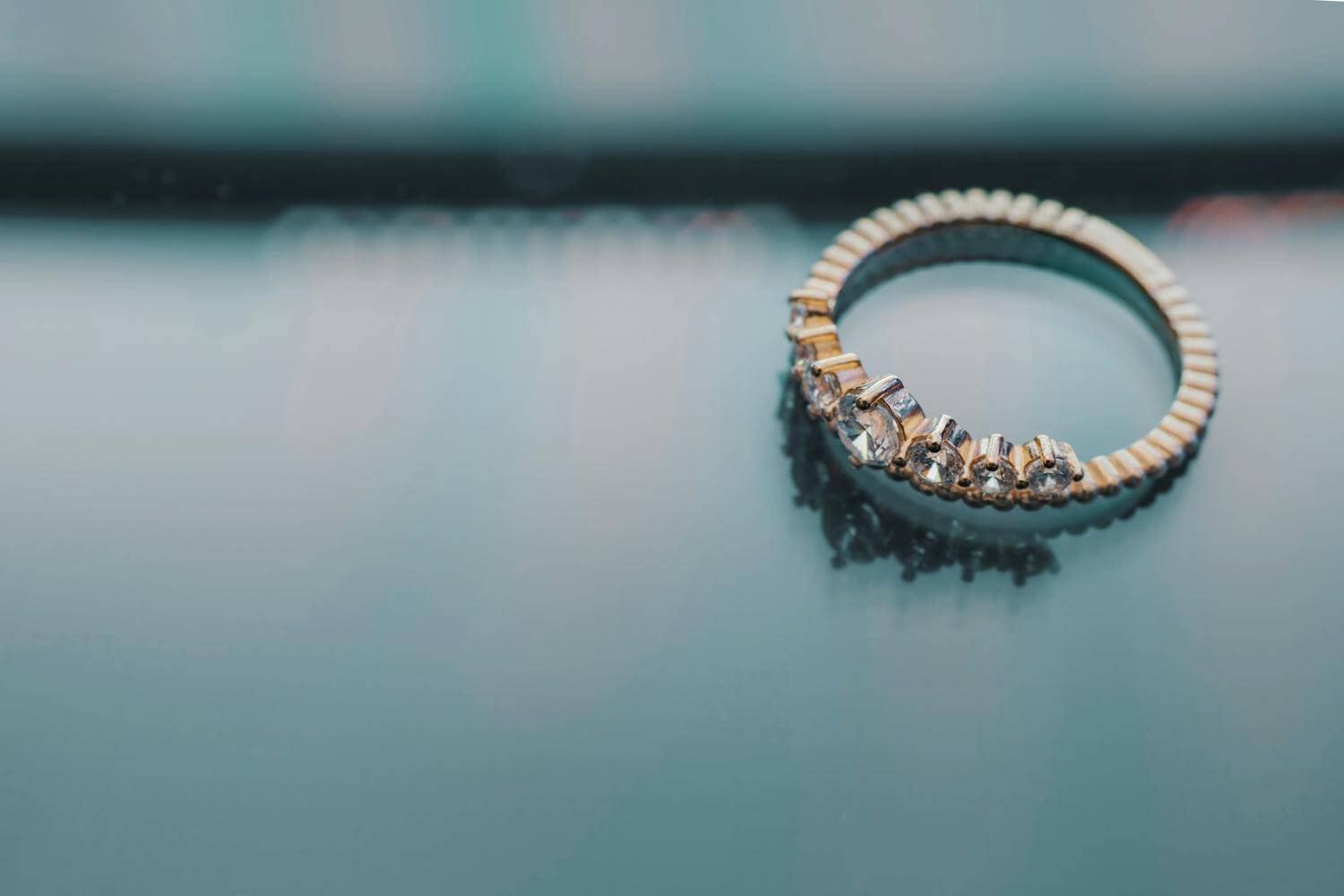
In Australia, the question of who keeps the engagement ring after a divorce hinges on several factors, including how the ring was acquired and the intentions of both parties involved. While the question of who retains ownership of the ring may seem straightforward, the legal landscape offers nuanced considerations that require careful examination. This article […]
Personal Injury Settlements Compensation and Claims

Personal injury settlements are agreements between the injured party and the responsible party (or their insurer) to compensate for injuries and losses. These settlements can cover various damages, including medical expenses, loss of earnings, pain and suffering, and future care needs. The goal is to restore the injured person’s financial position to what it would […]
Financial Gifts vs. Loans: What Family Law Says

Family law‘s distinction between a gift and a loan can significantly impact financial agreements and property settlements. This differentiation is not just a matter of semantics but a critical factor in determining how assets are divided during legal disputes. In Australia, family law courts examine financial transactions within families closely to determine if they are […]
Can My Ex-Partner Legally Change the Locks?

Navigating through the aftermath of a separation or divorce can be challenging, especially when it comes to matters concerning the family home. One question often arises is, “Can my ex-partner change the locks?” The short answer is that it depends on the circumstances surrounding the ownership of the property and any court orders that may […]
Gifting Money Before Divorce

Amongst the complexities of divorce, gifting money before a divorce often emerges as a grey area. In Australia, understanding how these gifts are treated in the context of a property settlement is crucial. Whether it’s a generous gift from parents or a significant financial contribution from a friend, the timing and intention behind these gifts […]